Acoustics and Floor Construction: How the Floor Affects a Room’s Sound and Design

Acoustics and Floor Construction: How the Floor Affects a Room’s Sound and Design
When you walk into a room, it’s not just the colors, furniture, and lighting that shape the atmosphere – sound plays an equally important role. A space can feel calm and comfortable or echoing and stressful depending on how sound moves through it. The floor is a key player in this acoustic balance. Its structure, materials, and surface finish all influence how sound behaves and how the room feels. In this article, we’ll explore how floor construction affects acoustics and how you can design for both sound and style.
Why the Floor Matters for Acoustics
Sound waves travel through both air and solid materials. Hard surfaces like concrete, tile, or hardwood reflect sound, while softer materials like carpet or cork absorb it. That means your flooring choice can determine whether a room feels pleasantly quiet or uncomfortably noisy.
In many modern American homes and offices, open layouts and hard surfaces are popular design choices – but they can also create acoustic challenges. The good news is that the floor can help restore balance. By choosing materials with sound-absorbing properties or by layering the floor system strategically, you can significantly reduce noise levels and improve comfort.
The Role of Floor Construction – From Subfloor to Surface
A floor is more than just what you see on top. It’s a layered system, and each layer affects how sound travels through the structure. A well-designed floor can reduce footstep noise and prevent sound from transferring between levels.
- Underlayment acts as a cushion and vibration barrier. A quality acoustic underlayment beneath hardwood, laminate, or vinyl flooring can dramatically reduce impact noise.
- Subfloor and insulation layers help break the path of sound transmission between rooms or floors.
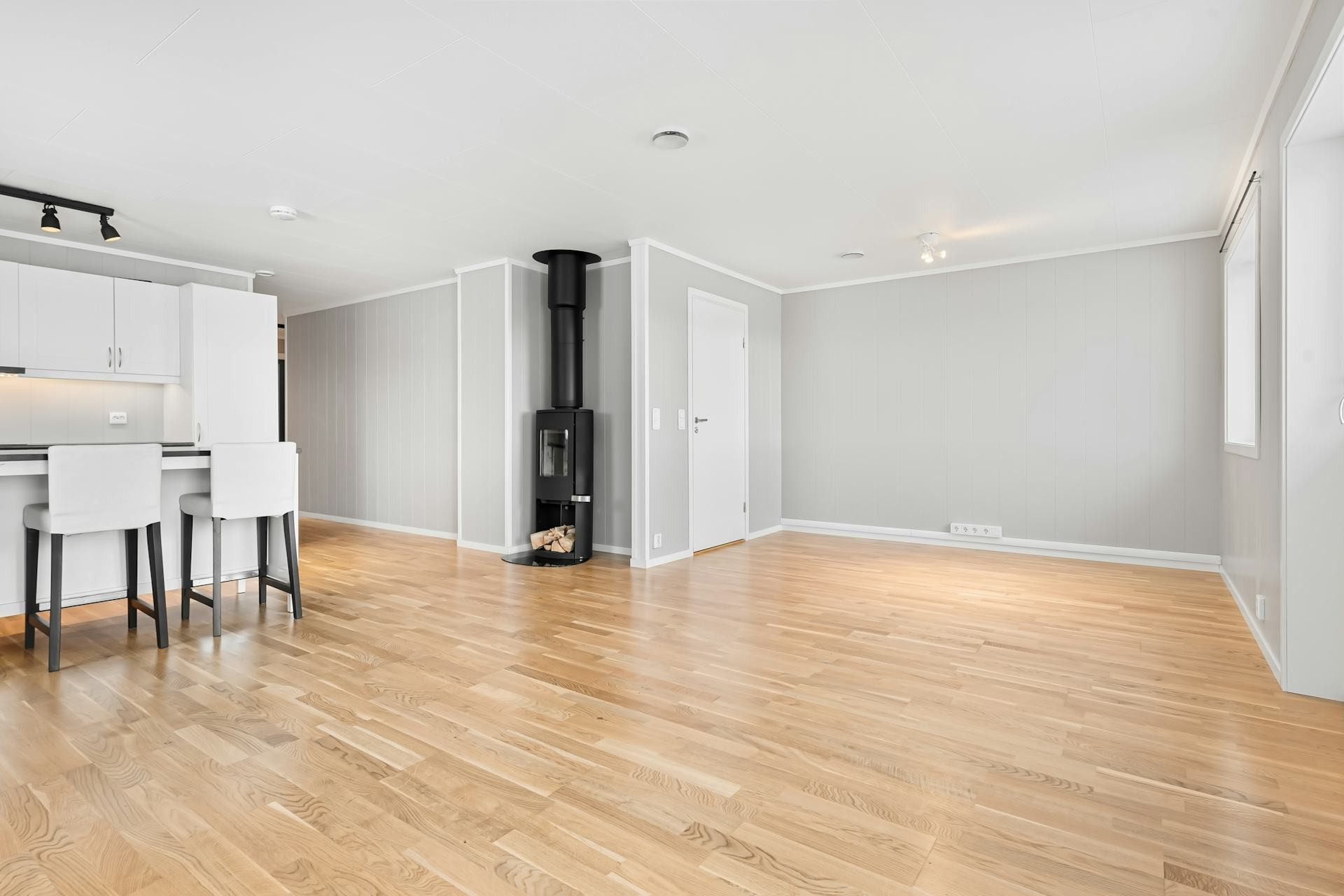
- The surface layer – the visible flooring – shapes the room’s acoustic character. Solid wood floors create a warm, resonant tone, while vinyl or linoleum tend to soften sound reflections.
Thinking of the floor as a complete acoustic system allows you to achieve both comfort and sound control.
Materials That Make a Difference
Choosing flooring isn’t just about looks – it’s also about how it sounds. Here are some common flooring types and their acoustic qualities:
- Hardwood floors: Offer a natural resonance and timeless beauty but may need an underlayment or area rugs to reduce footstep noise.
- Carpet: Excellent for absorbing sound and creating a quiet, cozy atmosphere – ideal for bedrooms, offices, and media rooms.
- Vinyl and linoleum: Durable, easy to maintain, and available in acoustic versions that help reduce noise in busy spaces.
- Cork: A sustainable option with outstanding sound absorption and a warm, comfortable feel underfoot.
- Tile and concrete: Stylish and long-lasting but highly reflective surfaces that benefit from acoustic counterbalance through rugs, curtains, or upholstered furniture.
Design and Sound – Two Sides of the Same Coin
Good acoustics aren’t just about technical performance; they’re also about how a space feels and looks. Today, many flooring manufacturers offer products that combine modern design with built-in acoustic benefits – such as engineered wood with integrated sound layers or acoustic vinyl planks.
In commercial spaces like offices, schools, and restaurants, acoustic planning is often essential from the start. But even in private homes, small adjustments can make a big difference. A rug under the dining table, cork flooring in a hallway, or an acoustic underlayment in the living room can all improve the sound experience.
How to Create a Room with Great Sound
If you’re planning a new floor or renovation, consider these steps:
- Assess the room’s purpose – Is it meant to be quiet and restful, or lively and social?
- Choose materials thoughtfully – Balance aesthetics with acoustic performance.
- Think holistically – Floors, walls, ceilings, and furnishings all interact acoustically.
- Use professional solutions – Acoustic flooring systems and specialized underlayments can deliver big results without compromising design.
A well-balanced acoustic environment doesn’t just make a room more pleasant – it can enhance focus, comfort, and overall quality of life.
A Floor You Can See and Hear
The floor is often overlooked when it comes to acoustics, yet it’s one of the most effective places to start. With the right construction and materials, you can create a space that both looks and sounds beautiful. It’s all about finding harmony between function, comfort, and design – and letting the floor become an active part of your room’s character and atmosphere.